Benefits of Indoor Gardening
Fresh food, all year round
With an indoor herb garden or a hydroponic indoor garden, you are not stuck waiting for the right season. Herbs, microgreens, and small vegetables can grow inside your home every month of the year.
No yard needed
You do not need a backyard to garden. A windowsill, a shelf, or even a corner with grow lights is enough to start an indoor garden system that fits your space.
Cleaner air at home
Many indoor garden plants naturally help filter the air in your home, making your living space feel fresher and healthier.
Better mood and less stress
Being around greenery, even indoors, has a calming effect. A lot of people find that caring for plants helps them relax after a long day.
Full control over how your plants grow
Indoors, you control the light, water, and temperature. This means fewer surprises from bad weather, pests from outside, or poor soil.
Types of Indoor Gardens
There is more than one way to grow indoors. The right type depends on your space, your budget, and how hands on you want to be.
Soil Based Indoor Gardens
This is the most familiar way to grow. You use pots filled with soil, just like a regular garden, but placed indoors near a window or under a grow light. It is simple, forgiving, and a great place to start if you are new to growing plants at home.
Hydroponic Indoor Gardens
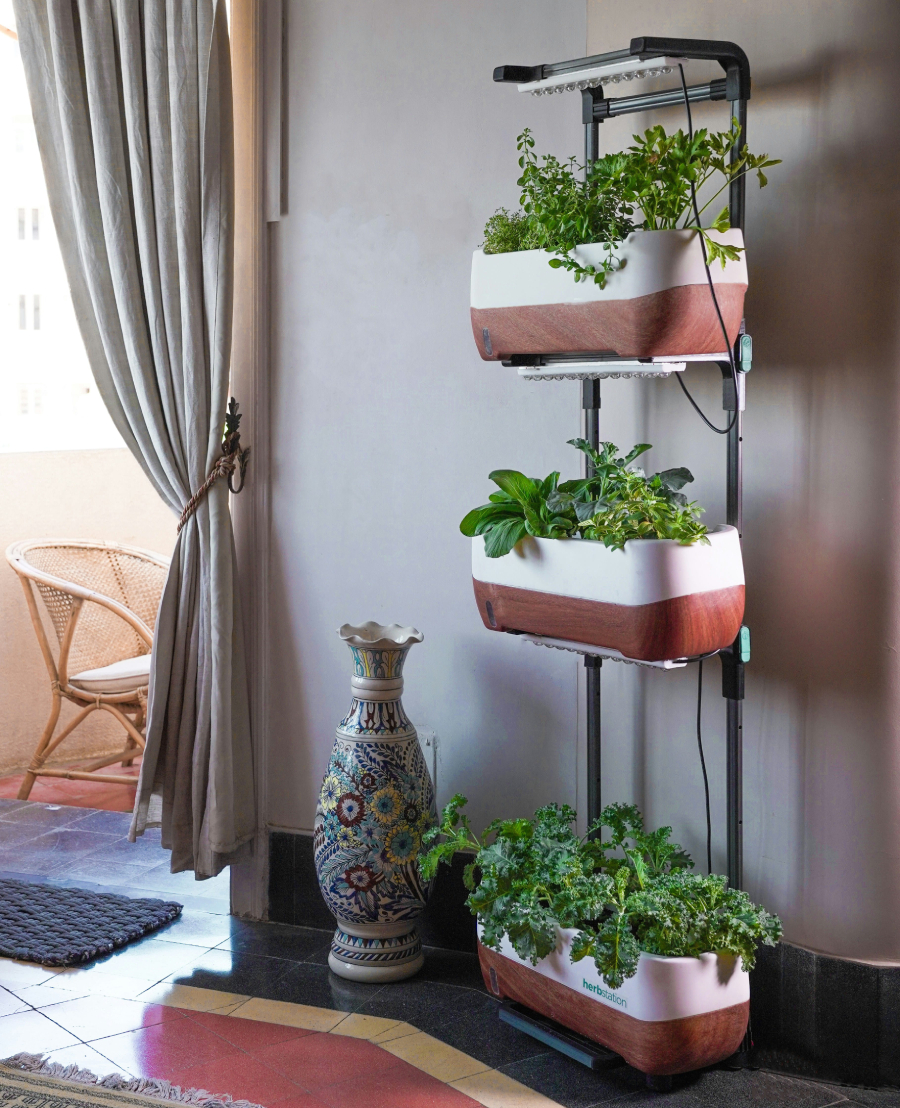
A hydroponic indoor garden grows plants in water mixed with nutrients, with no soil at all. This method often grows herbs and leafy greens faster and works well for small spaces like kitchen counters or apartment shelves. If you want to learn how to set one up, our full guide on Grow Systems and Hydroponics covers it step by step.
Aeroponic Systems
In an aeroponic setup, plant roots hang in the air and get misted with a nutrient solution instead of sitting in soil or water. It takes a bit more setup, but it saves space and can grow plants quickly. This is a good option once you are comfortable with the basics of indoor gardening.
Micro Gardens
Micro gardening indoors means growing small batches of herbs, microgreens, or salad greens in a tight space, like a tray on a countertop. It is one of the easiest ways to start growing your own food indoors, even if you only have a small kitchen. You can find more ideas for this in our guide on Indoor Food Production.
What You Need to Start
A container or tray
Pots, trays, or a hydroponic kit, depending on the type of garden you choose
A light source
Natural sunlight from a window, or LED grow lights for indoor gardening if your space does not get much sun
Growing medium
Soil, coco coir, or a water based nutrient solution for hydroponic setups
Water and nutrients
A simple watering routine, or a nutrient mix if you are growing hydroponically
The right plants
Herbs, microgreens, or easy indoor garden plants like pothos and spider plants are great for beginners
Common Challenges and Solutions
Every indoor gardener runs into a few bumps along the way. Here are the most common ones, and how to fix them.
Not enough light
This is the most common issue. If your plants look pale or are growing slowly, add a grow light. LED grow lights for indoor gardening are affordable and work well even in rooms with little natural light.
Overwatering
It is easy to water too much when you are excited about a new plant. Let the soil dry out a bit between waterings, and make sure your pot has drainage holes.
Pests indoors
Yes, pests can still show up indoors. Check your plants regularly, keep leaves clean, and treat any problems early with a mild soap and water spray.
Slow growth
If your plants seem stuck, it is often a sign they need more light, more nutrients, or a bigger pot. Hydroponic indoor garden setups can help here, since they often speed up growth compared to soil.
Choosing the wrong plants
Not every plant is suited for indoor life. Starting with easier indoor garden plants and learning their needs is covered in detail in our Plant Care and Species Guides.
Latest Blog
Hello world!
Read More →Frequently Asked Questions
The easiest way to start is with a few pots of easy going plants, like herbs or pothos, placed near a window. As you get comfortable, you can add grow lights or move on to a hydroponic indoor garden.
Not always. If your space gets good natural sunlight, that may be enough. If not, LED grow lights for indoor gardening are an affordable way to give your plants what they need.
Yes. Many people grow vegetables indoors, including cherry tomatoes, lettuce, and peppers, using either soil or a hydroponic indoor garden system, as long as they get enough light.
A soil based indoor garden uses regular potting soil, while a hydroponic indoor garden grows plants directly in a water and nutrient mix, with no soil involved. Hydroponic setups often grow plants faster, while soil is usually easier for beginners.
Not quite. Indoor botanical gardens are usually large, curated public spaces built to display many plant species. Indoor gardening at home is a smaller, personal version, done in your own house or apartment for food, greenery, or both.