How Do You Take Care of Indoor Plants?
Taking care of indoor plants means matching each plant to the right amount of light, checking soil moisture before watering instead of following a fixed schedule, and keeping humidity and temperature steady where possible. Most indoor plants fail not from lack of attention, but from the wrong care routine for that specific species. Learning what a plant actually needs, rather than treating every plant the same way, is the single biggest factor in keeping it healthy long term.
This guide walks through the basics of plant care, the easiest species to start with, and how to solve the problems almost every plant owner runs into at some point.
Getting to Know Your Plant Before You Bring It Home
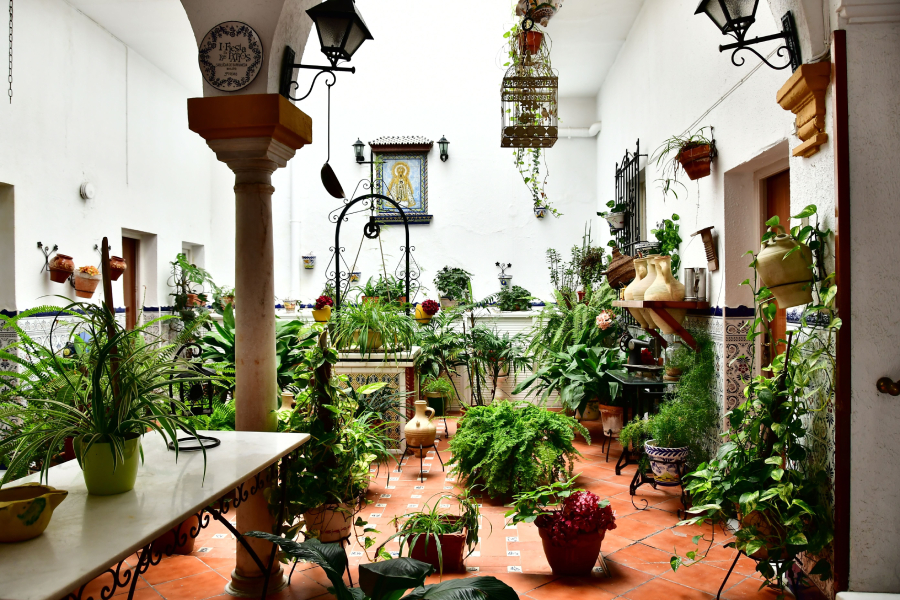
A lot of plant problems start before the plant even reaches your living room. People buy something because it looks nice on a shelf, without checking whether their home can actually support it. Every plant comes from a different environment in the wild, and that background shapes what it needs from you indoors.
Light Needs Vary More Than People Expect
Light is the single biggest factor in whether a plant thrives or slowly declines. Some plants, like succulents and cacti, come from open, sun drenched environments and want a bright spot close to a window. Others, like pothos or ZZ plants, grow naturally under a forest canopy and are happy in a corner that only gets a bit of indirect light. Before buying a plant, take a moment to notice how much natural light your space actually gets, and at what time of day. A room that feels bright to your eyes might still be too dim for a sun loving plant, since our eyes adjust to low light far better than plants do.
Watering Is About Rhythm, Not Rules
There is no single watering schedule that works for every plant, and this is where a lot of beginners go wrong. A better approach is to check the soil with your finger every few days. If the top inch feels dry, it is usually time to water. If it still feels damp, wait a bit longer. Plants with thick leaves or stems, like succulents, store water and prefer to dry out almost completely between waterings. Leafier tropical plants usually want more consistent moisture and do not like drying out fully.
Humidity and Temperature Matter More Indoors
Homes tend to be drier than the natural environments many popular houseplants come from, especially during winter when heating systems run constantly. Tropical plants often appreciate a small humidifier nearby, a pebble tray, or simply being grouped together with other plants, which naturally raises the humidity around them. Temperature swings near drafty windows or air vents can stress plants even if the room average feels comfortable. Keeping plants away from sudden hot or cold air is a small change that makes a noticeable difference over time.
Easy Plants to Start With
Pothos
A trailing vine that tolerates low light, irregular watering, and general neglect better than almost any other houseplant. It is a common first choice for a reason.
Snake Plant
Thick, upright leaves that store water well, making this plant nearly impossible to underwater. It also handles low light better than most flowering or leafy species.
ZZ Plant
Glossy, dark green leaves and a strong tolerance for low light and inconsistent watering. This plant is often recommended for offices and rooms with limited natural sunlight.
Spider Plant
Fast growing and easy to propagate, spider plants adapt well to a range of light conditions and are considered one of the most beginner friendly options available.
Common Plant Problems and How to Fix Them
Even experienced plant owners run into issues from time to time. The good news is that most problems show clear warning signs, and catching them early makes recovery much easier.
Yellowing Leaves
Yellow leaves are often a sign of overwatering, though they can also point to too little light or a nutrient deficiency. Start by checking how moist the soil is. If it feels soggy, cut back on watering and make sure the pot drains properly.
Brown, Crispy Leaf Edges
This usually points to low humidity, especially in tropical species, or a buildup of salts from tap water and fertilizer. Flushing the soil with plain water every so often, and raising humidity where possible, tends to solve this.
Pests
Small pests like spider mites, mealybugs, and fungus gnats are common indoors, especially in warmer months. Wiping leaves down regularly, isolating new plants before introducing them to your collection, and treating early with a mild soap and water spray usually keeps things under control.
Building a Simple Plant Care Routine
The plants that thrive long term usually belong to people who check on them regularly rather than following a strict schedule. A quick weekly walk around your plants, checking soil moisture, looking under leaves for pests, and rotating pots slightly toward the light, catches most issues before they become serious. Over time, this kind of routine becomes second nature, and caring for a small indoor plant collection starts to feel effortless.