What Can You Grow Indoors for Food?
You can grow herbs such as basil, mint, and parsley, fast growing microgreens like radish and pea shoots, and compact vegetables such as cherry tomatoes, peppers, and lettuce, all indoors with enough light and a suitable container. Herbs and microgreens are the easiest starting point, while vegetables generally need brighter, more consistent light to produce a full harvest. None of this requires a backyard or farmland, just a bright spot and the right setup.
This guide covers what is realistic to grow indoors, how to get started, and how to choose the right setup for your goals.
What You Can Realistically Grow Indoors
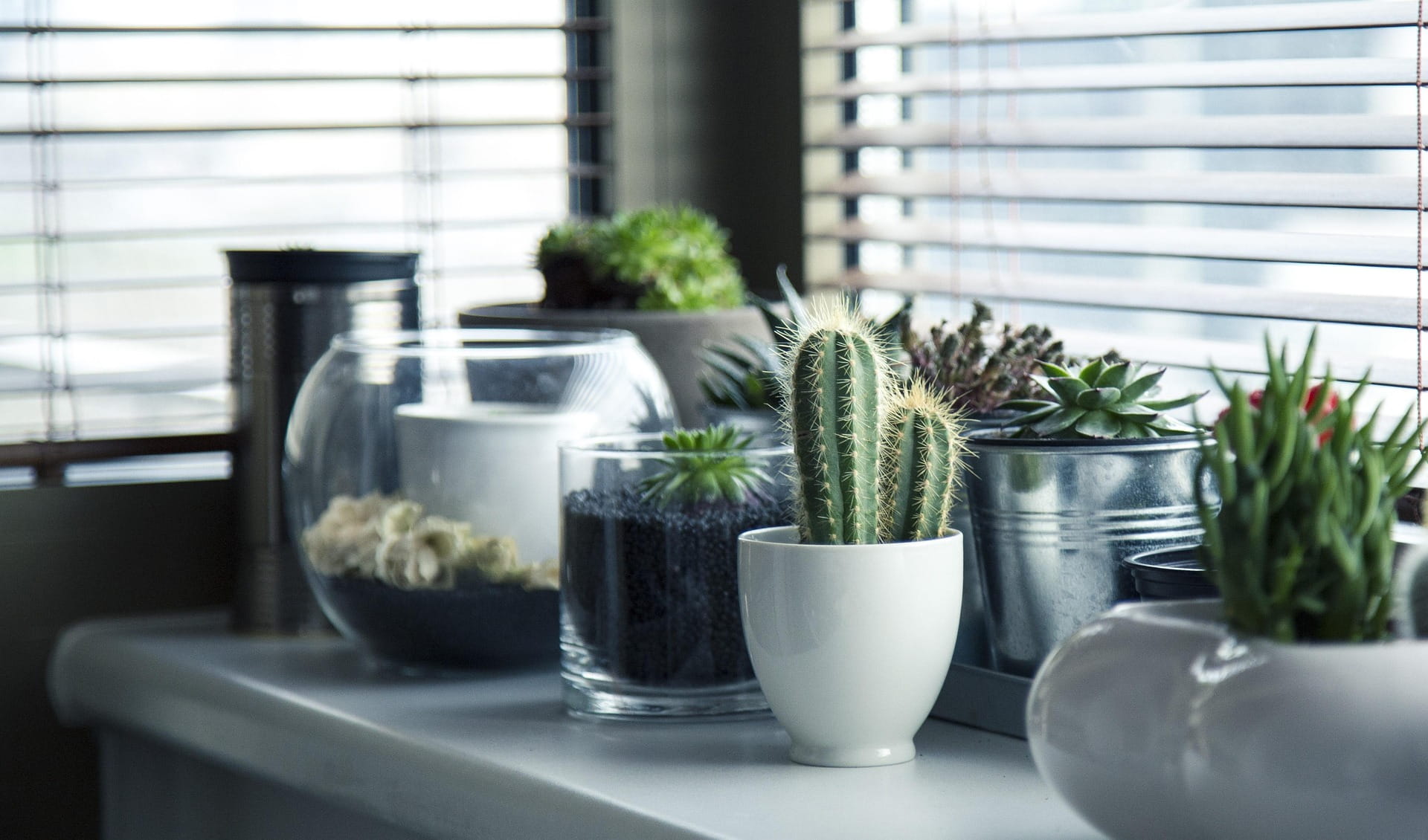
Not every vegetable is suited to indoor growing, but a surprising number of crops do well in containers with the right light and care.
Herbs Are the Easiest Entry Point
Basil, mint, chives, parsley, and thyme are among the most forgiving crops for indoor growing, and most only need a sunny window or a small grow light to produce steadily for months. Herbs also tend to grow quickly, which makes them a satisfying first project for anyone new to growing food indoors.
Microgreens Deliver Fast Results
Microgreens are harvested just days or weeks after planting, which makes them one of the fastest ways to see results from an indoor food garden. A shallow tray, a light source, and a bit of soil or a growing mat are all that is needed to start harvesting nutrient dense greens like radish, broccoli, or pea shoots in a short amount of time.
Vegetables Take More Patience, But Are Doable
Compact vegetables like cherry tomatoes, peppers, and leafy greens such as lettuce and spinach can all be grown indoors successfully. These crops generally need more light than herbs, often benefiting from a dedicated grow light, along with a larger container to support root growth.
Choosing How to Grow Your Food Indoors
Simple container gardening
Pots filled with soil, placed near a bright window. This is the lowest cost way to start and works well for herbs and smaller vegetables.
Hydroponic kits
Compact systems that grow plants in nutrient rich water instead of soil, often with built in lights. These tend to produce faster growth and are popular for herbs and leafy greens in kitchens.
Vertical growing towers
Stacked planting systems that let you grow more in a small footprint, useful for anyone dealing with limited counter or floor space.
Seed subscription boxes
Regular deliveries of seeds, growing medium, and sometimes small containers, aimed at people who want a guided, low effort way to keep a rotating supply of herbs or greens going.
Setting Up Your First Indoor Food Garden
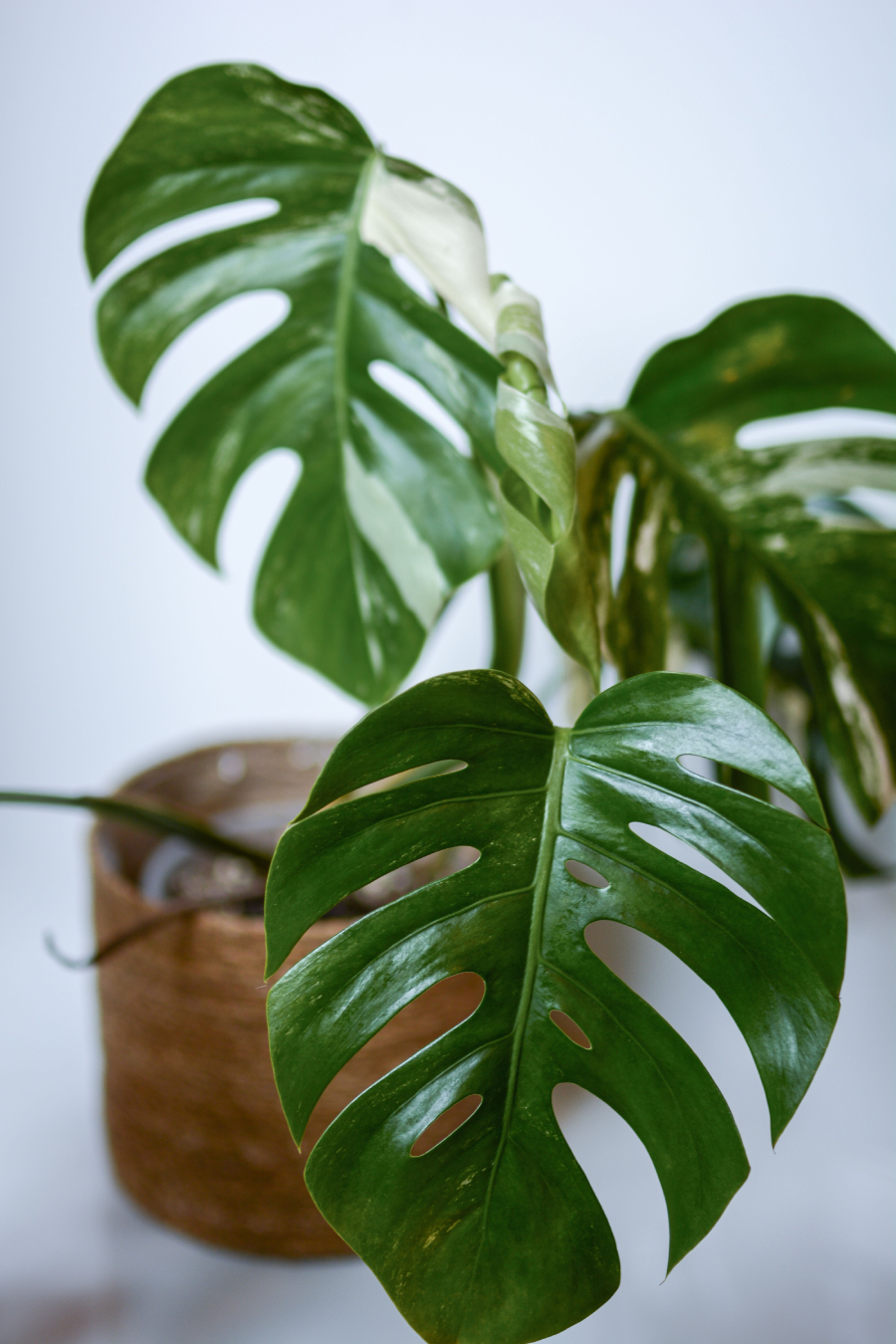
Getting started does not require a large investment. A single tray of herbs on a kitchen windowsill, or a small microgreens setup on a counter, is enough to begin learning how your space and routine affect plant growth.
Light Is the Deciding Factor for Food Crops
Unlike many ornamental houseplants, food producing plants generally need more consistent, brighter light to grow well and actually produce a harvest. If your kitchen does not get several hours of direct sun, a basic grow light will usually make a bigger difference to your results than any other single change.
Consistency Matters More Than Perfection
Herbs and vegetables respond well to a steady routine, rather than occasional bursts of attention. Checking soil moisture every couple of days, and harvesting regularly rather than letting plants grow unchecked, keeps them productive for longer.
Why People Choose to Grow Their Own Food Indoors
Beyond the simple appeal of fresh herbs at arm’s reach, growing food indoors gives people more control over what they are eating, cuts down on trips to the store for small quantities of herbs, and turns an otherwise unused kitchen corner into something productive. For many people, harvesting even a small handful of basil or a tray of microgreens feels like a genuine accomplishment, and often leads to trying more ambitious crops over time.