Grow Systems & Hydroponics
A hydroponic grow system is a method of growing plants with their roots suspended directly in nutrient rich water instead of soil, allowing nutrients to reach the roots faster and often producing quicker, larger growth. Common types include deep water culture, nutrient film technique, and ebb and flow systems, each suited to slightly different goals and skill levels. Compared to soil based growing, hydroponic systems give the grower more direct control over nutrients, water, and overall plant growth.
This guide breaks down the main types of grow systems, the equipment involved, and what to consider before investing in a setup.
Understanding Grow Systems
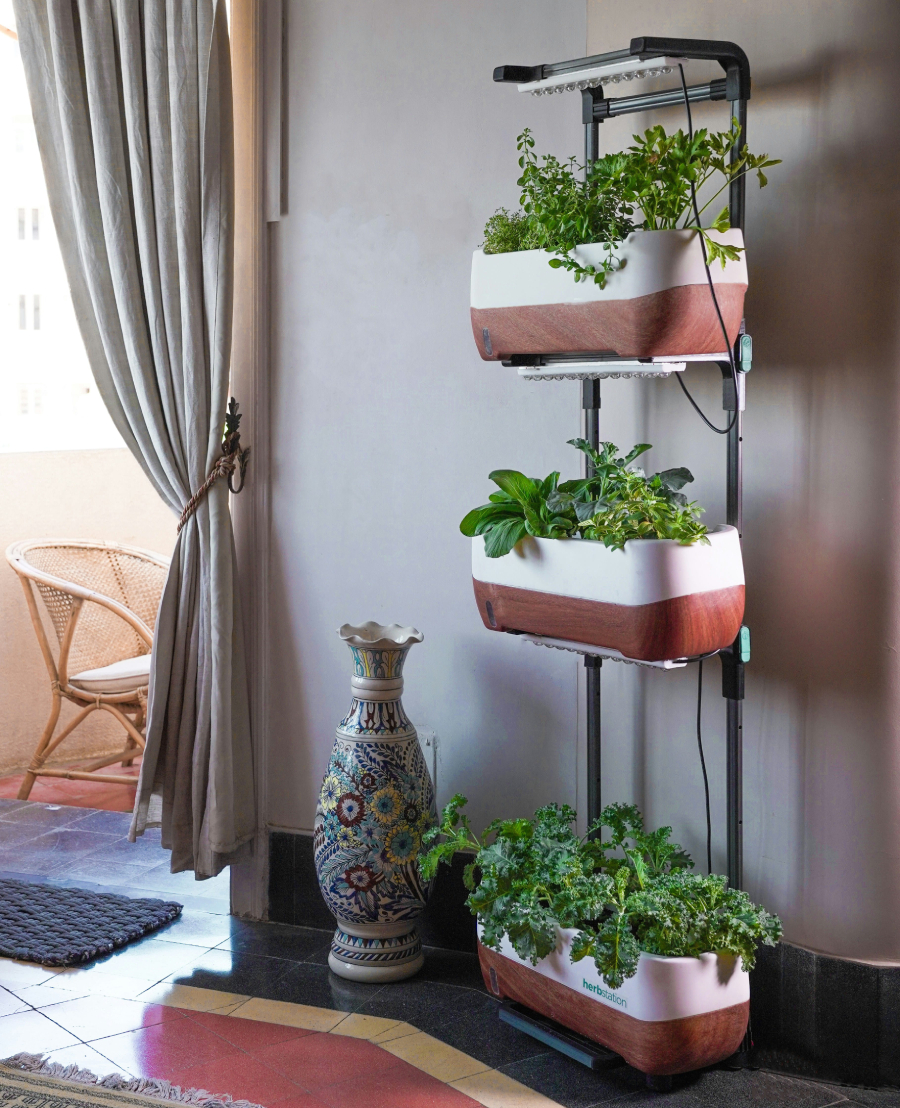
A grow system is any structured setup designed to give plants consistent light, water, and nutrients indoors, often replacing natural sunlight and soil with engineered alternatives. These systems range from a single lamp clipped to a shelf, to a full hydroponic tower with pumps, timers, and sensors.
Why People Move Beyond Simple Pots
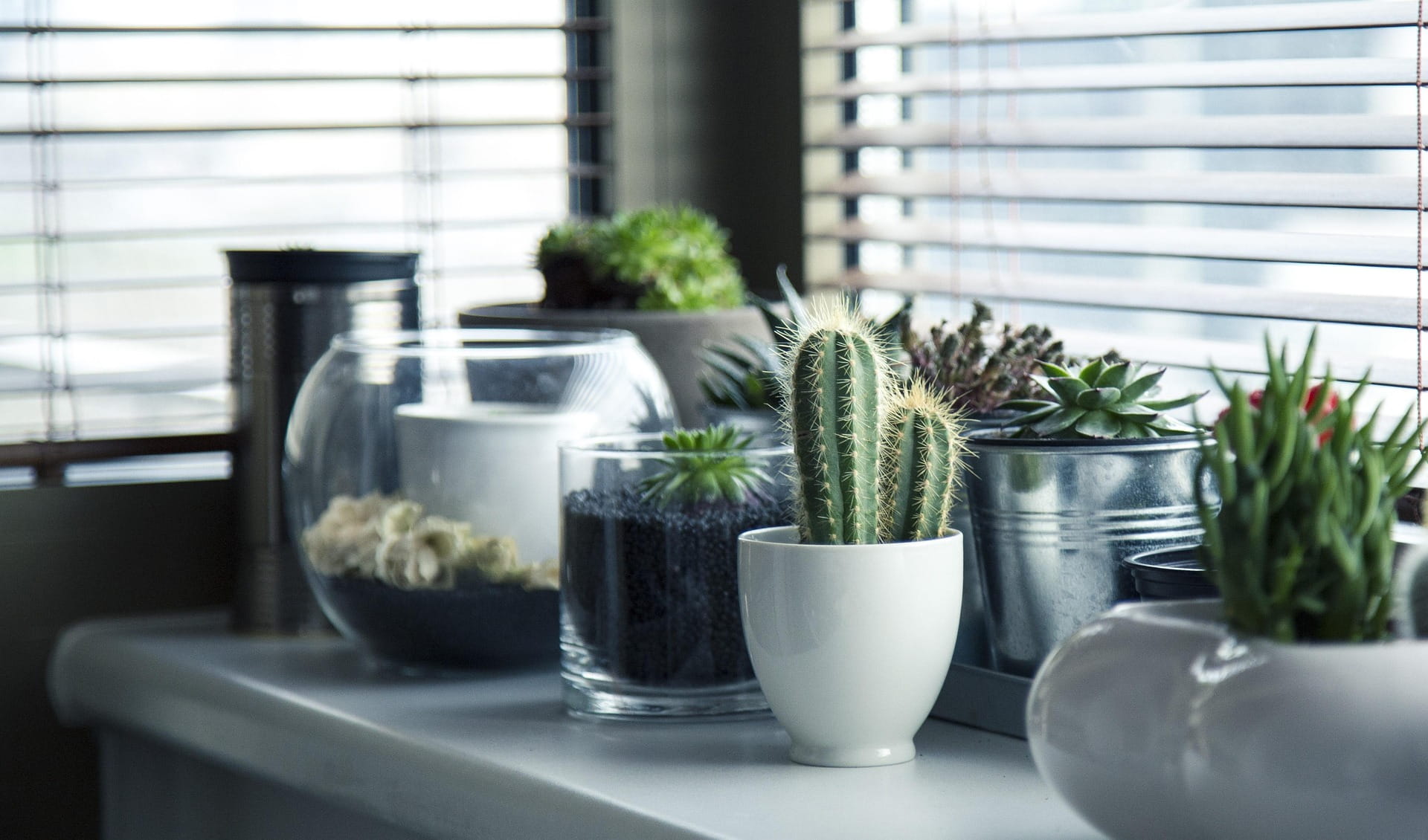
Basic container gardening works well for casual growing, but it has limits. Natural light changes with the seasons, watering by hand can be inconsistent, and soil based growing is generally slower than water or air based methods. Grow systems solve these problems by giving growers direct control over every variable that affects plant growth.
Hydroponic Systems Explained
Hydroponics grows plants with their roots suspended in nutrient rich water instead of soil. Because nutrients are delivered directly to the roots, plants often grow faster and larger than they would in soil, assuming the system is set up and maintained correctly.
Common Types of Hydroponic Setups
Deep water culture
Roots hang directly into an oxygenated nutrient solution. This is one of the simpler hydroponic methods and a common starting point for beginners.
Nutrient film technique
A thin film of nutrient solution flows continuously past plant roots, which sit in a sloped channel. This method uses less water overall and is popular for growing leafy greens at scale.
Ebb and flow systems
Growing trays are periodically flooded with nutrient solution, then drained back into a reservoir. This cycle keeps roots well fed while still allowing oxygen to reach them between floods.
Aeroponic Systems Explained
Aeroponics takes hydroponics a step further by removing water almost entirely from the root zone. Instead, roots hang in an enclosed chamber and are misted with a fine nutrient spray at regular intervals. This method uses very little water and can produce fast growth, though it generally requires more precise equipment and closer monitoring than basic hydroponic setups.
Essential Equipment for Indoor Grow Systems
Every grow system, regardless of type, tends to rely on a similar core set of equipment.
Grow Lights
Since most indoor grow systems are not relying on natural sunlight alone, a quality grow light is usually the single most important piece of equipment. LED grow lights are now the standard choice for most home setups, since they use less electricity and produce less heat than older lighting types, while still providing the light spectrum plants need to grow well.
Pumps and Timers
Water pumps circulate nutrient solution through hydroponic systems, while timers control both lighting schedules and, in many setups, watering or misting cycles. Reliable timers are especially important in aeroponic systems, where roots depend on regular misting to stay healthy.
Nutrient Solutions
Since soil is not providing nutrients in hydroponic or aeroponic setups, a balanced liquid nutrient mix takes its place. These solutions are formulated to provide everything a plant would normally draw from soil, and getting the concentration right is one of the more technical parts of running a grow system.
Monitoring Tools
pH meters and basic water testing kits help growers keep nutrient solutions within the range most plants tolerate well. Small shifts in pH can affect how well plants absorb nutrients, which makes regular checking a worthwhile habit for anyone running a hydroponic or aeroponic system.
Choosing the Right System for Your Goals
Someone growing a few herbs on a counter has very different needs than someone building a dedicated grow room. Deep water culture and basic hydroponic kits suit smaller, simpler goals well, while nutrient film and aeroponic systems tend to appeal to growers looking for higher yields or more serious food production. Budget, available space, and how much hands on maintenance you are willing to do all play a role in choosing the right setup, and many growers start small before expanding into a larger system once they understand what their space and routine can support.