
How Do You Grow Plants in a Small Apartment?
You can grow plants in a small apartment by using vertical space such as wall shelves and hanging planters, making full use of windowsills for natural light, and choosing compact or trailing plants that do not quickly outgrow their spot. A small home does not limit how many plants you can keep, only how you arrange them. With the right layout, even a single room can hold a full, layered indoor garden.
This guide focuses on practical layouts, smart furniture choices, and design tricks that help small spaces feel full of greenery without feeling crowded.
Rethinking What Counts as Growing Space
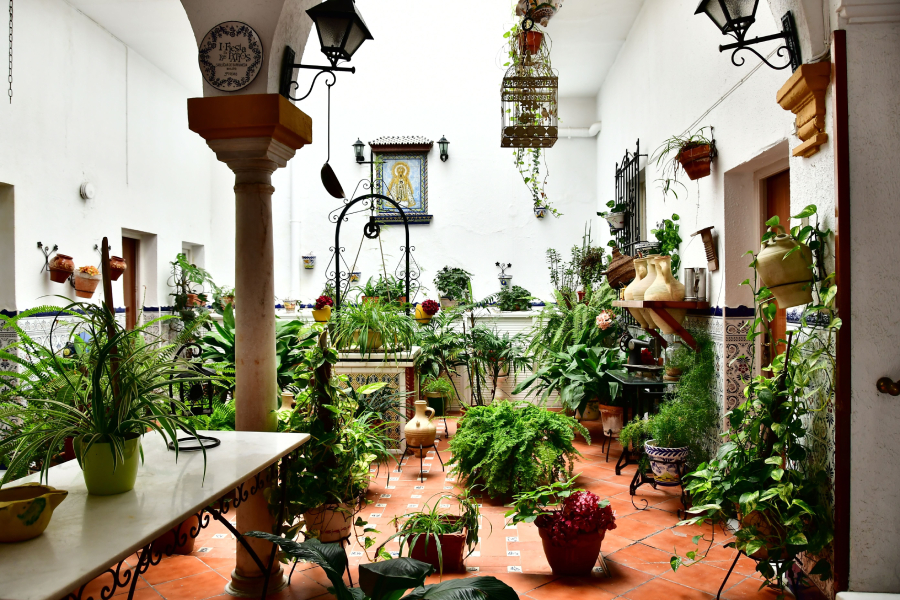
Most apartments have more usable space than people realize, once you stop thinking only about floor space. Walls, windowsills, the tops of cabinets, and even the backs of doors can all support plants when you use the right setup.
Vertical Space Is Your Best Friend
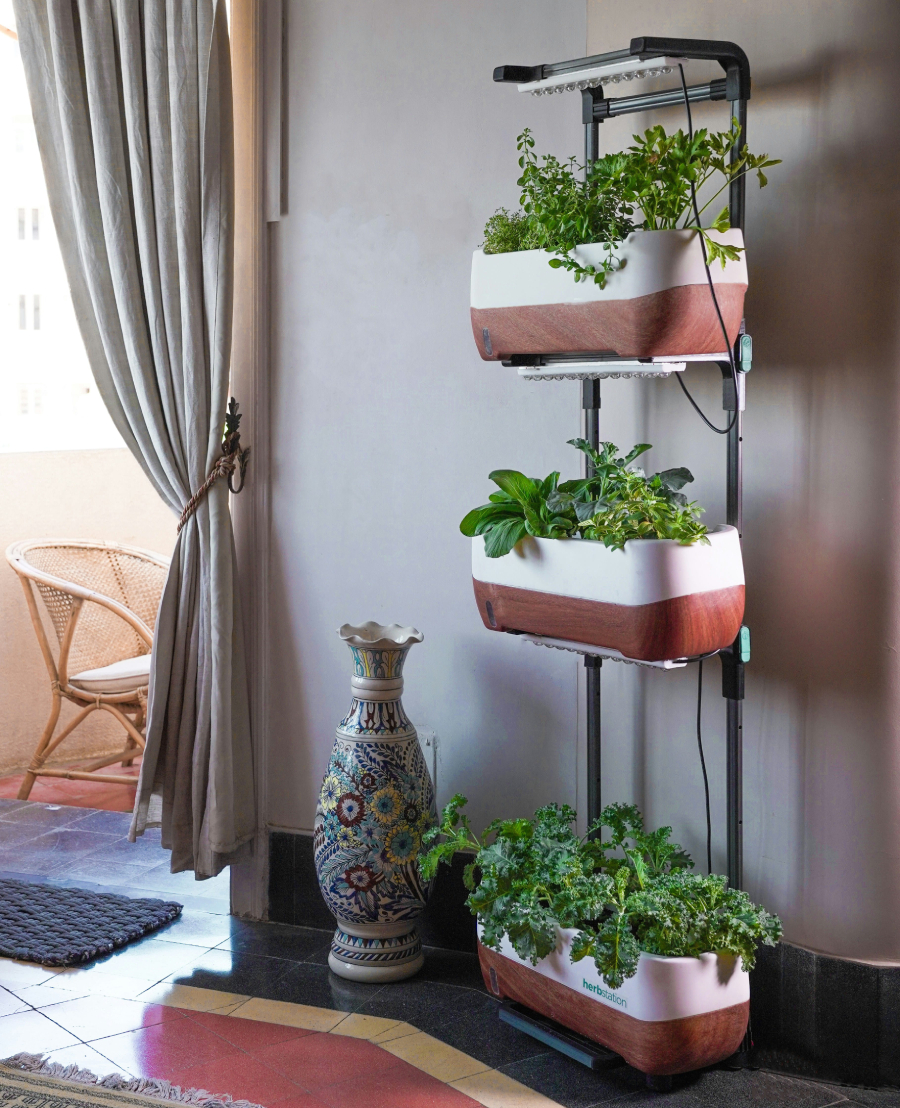
In a small home, going up instead of out is usually the smartest move. Wall mounted shelves, tiered plant stands, and hanging planters let you fit far more greenery into a room without taking up any additional floor area. A single wall can hold a whole collection of small pots when shelves are staggered at different heights, which also creates a more layered, natural looking display than a row of plants lined up on one shelf.
Windows Do More Work Than You Think
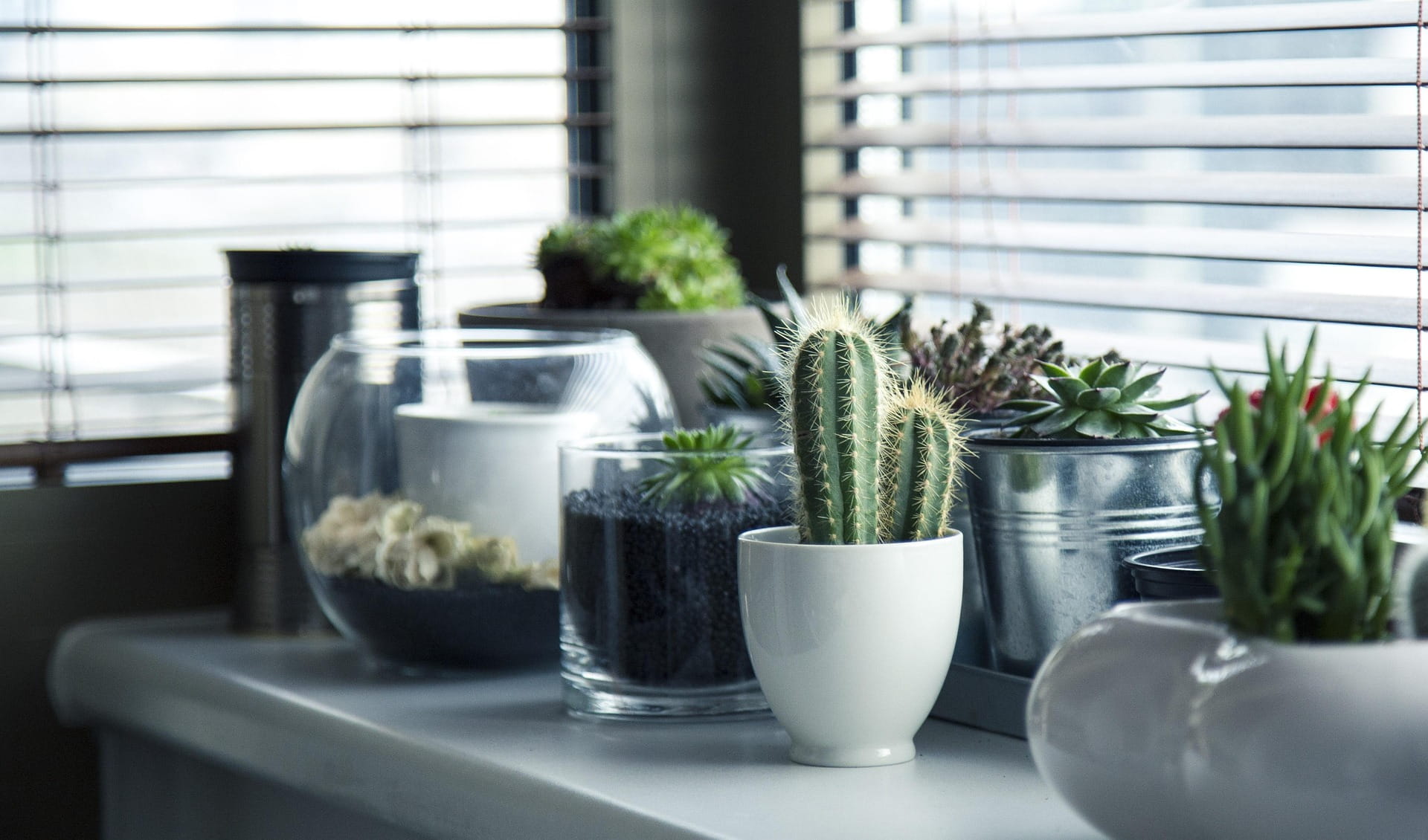
A windowsill is often the single best growing spot in an apartment, since it usually offers the most natural light in the room. Deep sills can hold a small row of pots directly, while narrower ones benefit from a slim shelf or bracket that extends the usable surface without blocking the view. South and west facing windows generally offer the strongest light through the day, which makes them ideal for herbs and sun loving plants, while north facing windows suit shade tolerant species better.
Smart Furniture and Layout Choices
Ladder shelves
Slim, freestanding shelving units that lean against a wall and take up very little floor space, while still offering multiple levels for plants of different sizes.
Hanging planters
Ideal for trailing plants and for using otherwise empty space near ceilings or in front of windows, without cluttering surfaces below.
Rolling plant stands
Useful in tight apartments since plants can be moved closer to light during the day and tucked away when you need the space for something else.
Corner shelving
Corners are often wasted space in small rooms, and a simple corner shelf unit can turn that unused area into a mini indoor garden.
Designing for Small Rooms Without Overcrowding
It is easy to get carried away once you start collecting plants, but a cluttered room can feel more stressful than calming, especially in a small apartment. Grouping plants by size, with taller ones toward the back or corners and smaller ones toward the front, creates a sense of depth rather than a wall of green.
Leaving a bit of breathing room between plant groupings, rather than lining every surface edge to edge, also helps a small space feel intentional rather than overwhelmed.
Choosing Plants That Fit Small Spaces
Compact and slow growing species tend to work best in apartments, since they do not quickly outgrow their spot. Trailing plants that can hang or climb are also useful, since they add greenery without taking up floor or shelf space at all.
Making the Most of Rented Spaces
Many apartment dwellers are working with rented walls and cannot drill holes or make permanent changes. Tension rods, adhesive hooks rated for the weight of your planters, and freestanding shelving units all allow for a full vertical garden setup without any lasting changes to the property.
Portable options like rolling stands or lightweight shelving also make it easier to take your indoor garden with you if you move, which is a common concern for renters who have invested time into building their plant collection.