
What Is Biophilic Design?
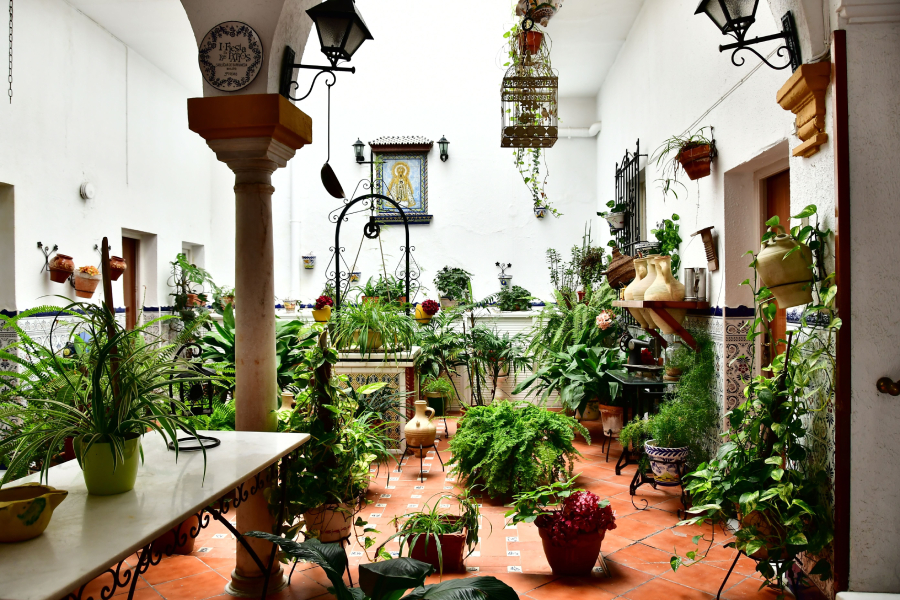
Biophilic design is the practice of designing indoor spaces to include natural elements, most commonly plants, along with natural materials, light, and texture, so a home feels connected to nature rather than separate from it. The idea is built on the observation that people generally feel calmer and more grounded in spaces that reflect the natural world, even in an indoor setting. In practice, this often means placing plants throughout a home, prioritizing natural light, and choosing materials like wood and stone alongside greenery.
This guide explores the wellness side of indoor gardening and how thoughtful design choices can turn a living space into a calmer, more grounded place to be.
What Biophilic Design Actually Means
Biophilic design is the practice of designing indoor spaces to reflect and include elements of the natural world, rather than treating nature as something separate from where we live and work. Plants are the most obvious example, but the concept extends further, including natural materials, textures, and even the arrangement of light and shadow through a room.
Why This Approach Has Grown in Popularity
As more people spend the majority of their time indoors, whether working from home or living in dense urban environments, there has been a noticeable shift toward wanting spaces that feel less artificial. Biophilic design responds to this by bringing natural elements back into daily surroundings in a way that feels intentional rather than accidental.
How Indoor Greenery Affects the Way We Feel
A sense of calm
Green, living spaces tend to feel less sterile and more welcoming than rooms without any natural elements, which can make a home feel more restful at the end of a busy day.
A gentle focus point
Caring for plants gives many people a small, low pressure task to focus on, which can be a welcome break from screens and other demanding parts of daily life.
A feeling of progress
Watching a plant grow, put out a new leaf, or recover from a rough patch offers a quiet sense of accomplishment that many people find genuinely satisfying.
A softer, more layered space
Plants add texture, movement, and natural variation to a room in a way that furniture and decor alone often cannot replicate.
Designing a Home Around Wellness and Greenery
Creating a biophilic feel in your home does not require a full renovation. It is usually a matter of small, consistent choices that bring more natural elements into daily view.
Bringing Plants Into Every Room, Not Just One
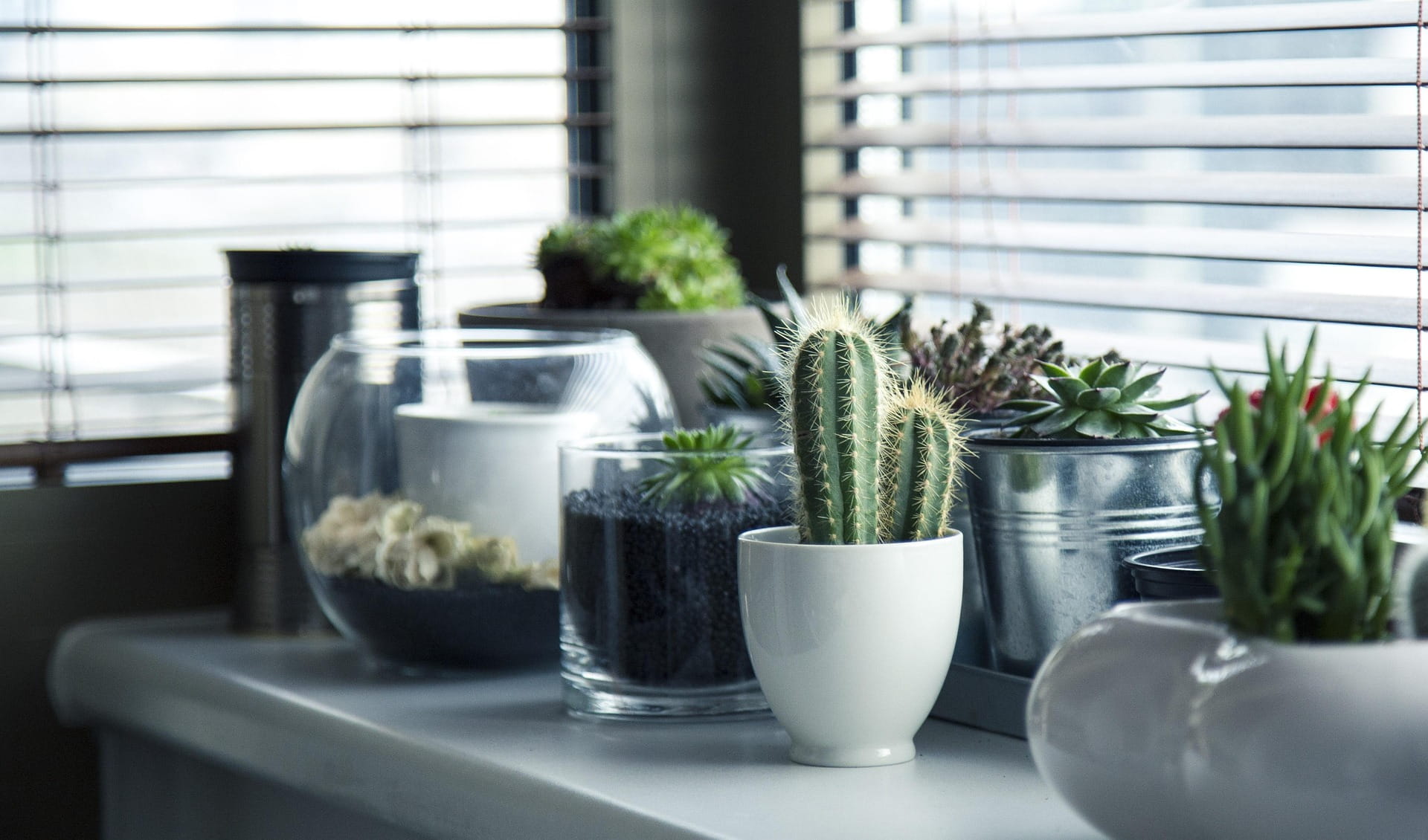
A single large plant in a living room can feel like decoration, while a thoughtful placement of smaller plants across a bedroom, kitchen, and workspace creates a more consistent connection to nature throughout the day. Even a small plant on a desk or windowsill in a room that otherwise feels purely functional can shift how that space feels to spend time in.
Letting Natural Light Lead the Layout
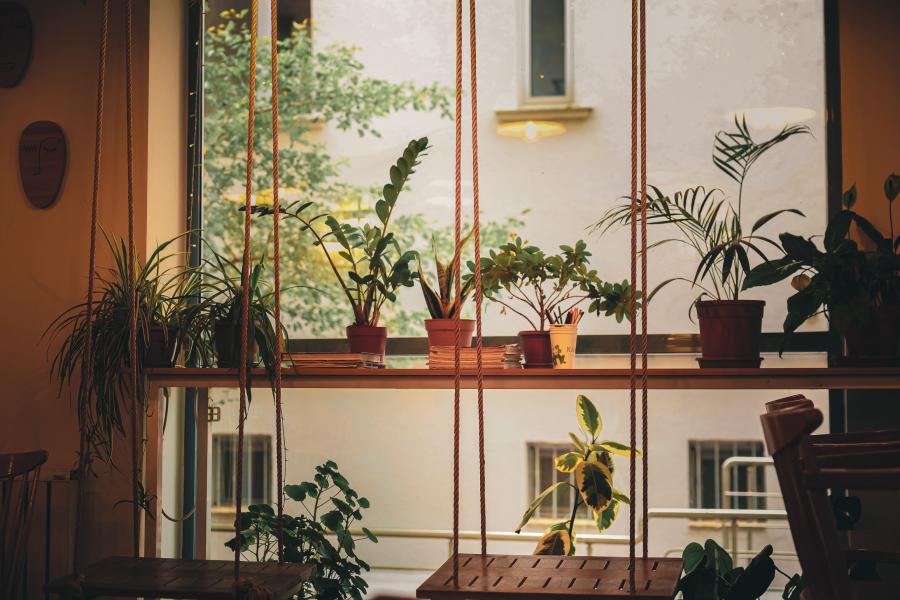
Rooms designed around biophilic principles often prioritize natural light, arranging furniture and plants to make the most of whatever sunlight a space receives, rather than treating windows as an afterthought. This also tends to benefit the plants themselves, since well lit rooms naturally support healthier growth.
Choosing Natural Materials Alongside Plants
Wood, stone, woven textures, and other natural materials tend to complement greenery in a way that feels cohesive, reinforcing the overall sense of a space connected to the outdoors rather than working against it.
The Long Term Value of a Biophilic Home
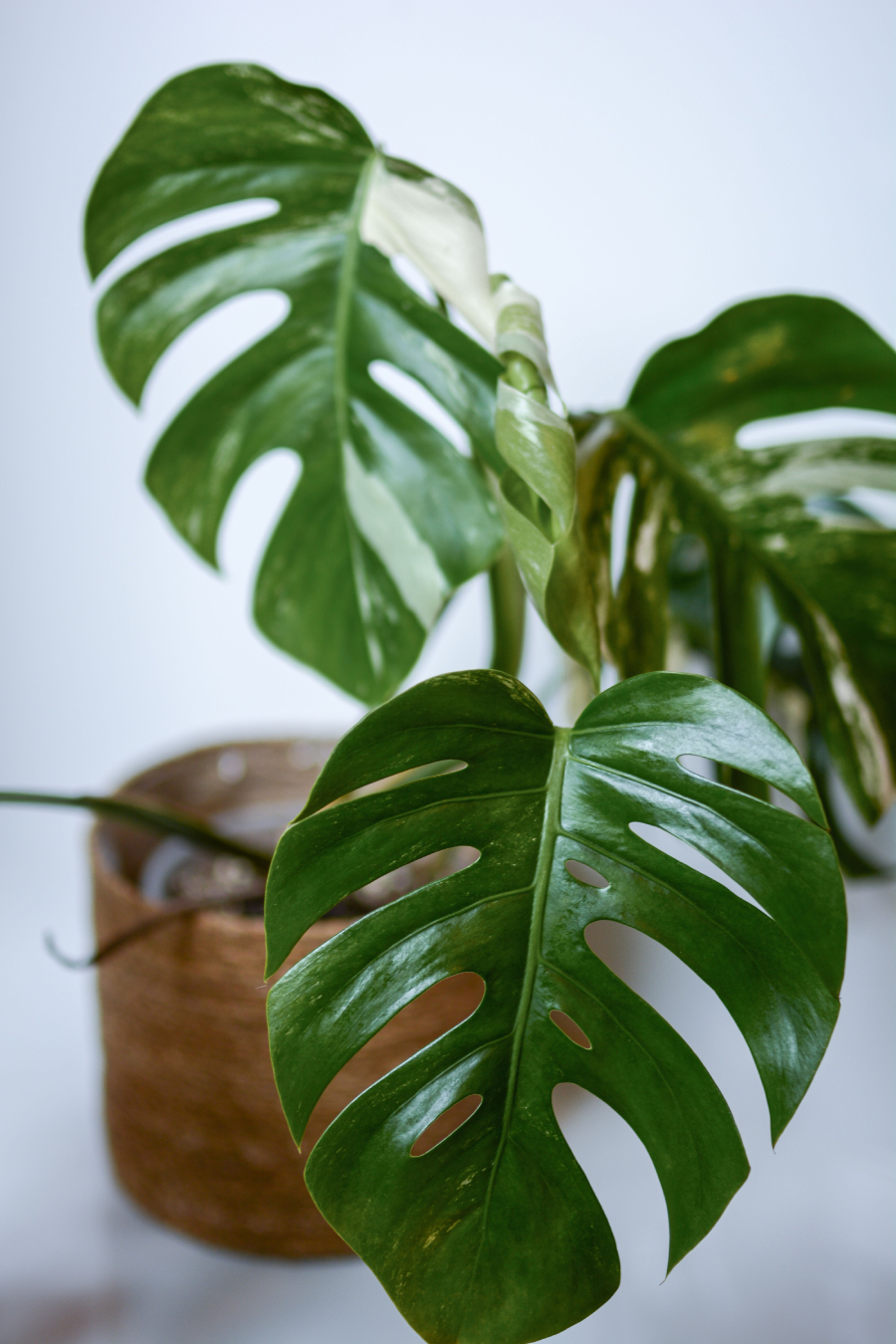
Homes designed with greenery and natural elements in mind tend to feel more finished and personal, rather than simply furnished. For many people, this style of living space becomes part of their daily routine in a quiet way, offering a small sense of calm each time they walk through a room filled with plants they have grown and cared for themselves. Over time, this connection between home, wellness, and nature often becomes one of the most valued parts of living with an indoor garden.